How to Organize a Community or Neighborhood Contest - Bringing People Together Through Friendly Competition
Table of Contents
- The Magic of Community Contests
- What You'll Learn in This Guide
- Why Community Contests Strengthen Neighborhoods
- Types of Community Contests That Bring People Together
- Planning Your Community Contest: Getting Buy-In and Building Excitement
- Funding and Sponsorships: Making Your Contest Sustainable
- Creating Inclusive Rules and Categories
- Scoring Approaches: Judge Panels, Community Voting, and Hybrid Methods
- Setting Up Your Event: Logistics That Make It Work
- Running Large-Scale Events: Managing Volunteers and Keeping Things on Schedule
- The Reveal and Awards Ceremony: Making It Memorable
- Prize Ideas That Celebrate and Reward
- Common Mistakes That Undermine Community Contests
- Building Annual Traditions That People Look Forward To
- How Digital Tools Help Manage Large Community Events
- Bringing It All Together: Your Community Contest Success Plan
- How RevealTheWinner Makes Your Contest Even Better
The Magic of Community Contests
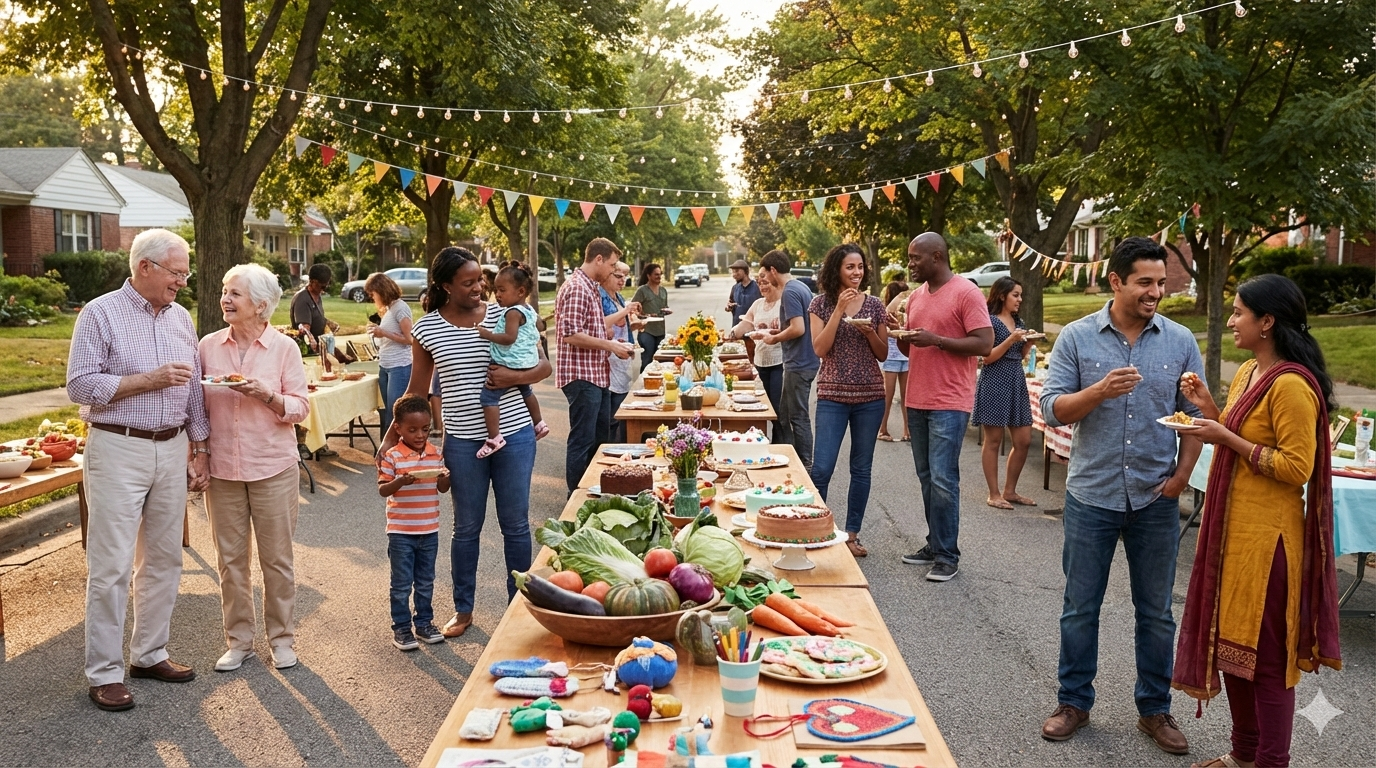
There's a special electricity in the air when a neighborhood comes together for friendly competition. Picture it: families gathered on a summer evening, children showing off their best efforts, neighbors you've never met suddenly becoming friends over a shared love of gardening or baking. That's the power of a well-organized community contest.
Community contests aren't really about crowning winners—they're about weaving the social fabric of neighborhoods tighter. They create stories that get retold at dinner tables for years. That's when Mrs. Chen's pumpkin was absolutely enormous, or when the whole block showed up to cheer on the local elementary school's talent show, or when your humble backyard garden suddenly earned recognition from the community.
The beauty of organizing community contests is that they work everywhere: from suburban block parties to urban apartment complexes, from small rural towns to big city neighborhoods. They bring together people across ages, backgrounds, and interests in a celebration of creativity, effort, and friendly rivalry.
What You'll Learn in This Guide
Whether you're organizing your first neighborhood contest or looking to improve an existing event, this guide walks you through every step of the process. We'll cover how to build community excitement and buy-in, navigate the logistics of larger events, create inclusive categories that welcome everyone, and—most importantly—how to reveal winners in ways that make people cheer. You'll also discover how modern tools can help you manage scoring and engagement at scale, even at big county fairs or community festivals.
By the end of this guide, you'll have the confidence and practical know-how to launch a community contest that people will talk about all year long.
Why Community Contests Strengthen Neighborhoods
Community contests do something special that few other events can accomplish: they transform casual neighbors into a real community. Here's what happens when you organize a contest in your neighborhood:
Building Genuine Connections - People talk to each other during contest preparation and events. They ask advice, share tips, and suddenly you're having conversations that might never have happened otherwise. A gardening contest gets neighbors swapping seeds and stories. A talent show lets shy kids demonstrate their hidden gifts to supportive neighbors.
Creating Shared Pride - When residents see their neighborhood recognized—whether it's a beautiful street of decorated homes or a fair known for amazing baked goods—they feel genuine pride. This collective pride translates into people caring more about their community and investing in its well-being.
Building Multi-Generational Bonds - Community contests naturally bring families together. Grandparents help grandchildren prepare entries. Teenagers volunteer to help run the event. Young professionals judge categories. These natural partnerships across generations strengthen community cohesion.
Giving Everyone a Chance to Shine - People rarely get public recognition for their talents or efforts. Community contests create that spotlight. That baker who's been perfecting recipes for years finally gets celebrated. The gardener whose yard is their pride and joy earns community appreciation.
Encouraging Participation in Community Life - People who participate in contests become more invested in community events generally. They're more likely to volunteer, attend other gatherings, and support neighborhood initiatives.
Types of Community Contests That Bring People Together
The best community contests match your neighborhood's interests and season. Here are proven formats that work across different communities:
Yard and Garden Competitions - These are year-round possibilities. Spring brings tulip competitions. Summer features prettiest flower beds or best vegetable gardens. Fall showcases impressive pumpkins or chrysanthemum displays. Winter sees holiday light competitions. Garden contests are perfect for building community because they're visible, measurable, and naturally encourage people to invest in their property.
Holiday Decorating Contests - From Halloween pumpkin displays to Christmas light shows to Valentine's Day window decorations, seasonal decorating brings visual magic to neighborhoods. These contests capitalize on people's natural holiday enthusiasm and create stunning community displays.
Talent Shows - Whether at a neighborhood center, park, or school, talent shows celebrate abilities from comedy to music to dance to artistic performance. They're inclusive because people of all ages and skill levels can participate, and they create memorable entertainment for the whole community.
Cooking Competitions - Chili cook-offs, bake sales, BBQ competitions, and potluck contests celebrate culinary creativity. People love talking about food, and cooking competitions give them a stage to show off specialties and family recipes.
Car Shows - Classic cars, custom motorcycles, and lovingly restored vehicles attract enthusiasts and curious neighbors alike. These events celebrate craftsmanship and passion, with categories for different vehicle types and styles.
Scarecrow Building Contests - Perfect for fall, scarecrow competitions spark creativity with minimal barriers to entry. The best part? They look fantastic lining neighborhood streets or decorating park areas.
Community Chili Suppers and Potluck Contests - Combine a meal and community gathering with a friendly cooking competition. Add a social element where people vote for favorites while enjoying food and fellowship.
Planning Your Community Contest: Getting Buy-In and Building Excitement
A successful community contest starts long before the event day. Planning and community engagement are your foundation.
Identify Your Champion Organization - Every successful community contest needs an organizing home. This might be your neighborhood HOA, local parks department, community center, church, school, or civic organization. This group provides legitimacy, structure, and often resources.
Gauge Community Interest - Before committing to a big event, check whether your community actually wants this. Send a quick survey to neighbors. Host an informal gathering to discuss ideas. You might be surprised what excites people. Sometimes a neighborhood is desperate for a talent show while you were thinking about gardening. Listen to what people want.
Build a Planning Committee - You can't do this alone. Recruit 5-8 community members who are enthusiastic about the idea. Include people who represent different parts of your community. The committee should handle promotion, logistics, sponsorships, volunteer coordination, and scoring setup. Regular meetings—even brief ones—keep momentum going.
Set Your Contest Date and Venue Early - Lock in your date at least 2-3 months ahead. This gives people time to prepare entries and plan to attend. Reserve your venue as early as possible, especially if you're using public parks or community facilities. Weather contingency is critical—have a backup date or indoor location in mind.
Create Compelling Messaging - Your promotion should paint a picture of community celebration, not just competition. Share stories about what past contests meant to people. Use phrases like "Come celebrate your neighbors' talents!" rather than just "Enter our contest." Make people excited about participating and attending.
Funding and Sponsorships: Making Your Contest Sustainable
Community contests don't have to be expensive, but they do need funding. Here's how to cover costs sustainably:
Local Business Sponsorships - Local restaurants, shops, gyms, and service providers love supporting community events. They get exposure and build goodwill. Offer sponsorship tiers: title sponsor, bronze/silver/gold sponsors. Benefits might include logo placement, booth space, or public recognition. Many businesses will contribute product donations (gift cards, merchandise) instead of cash, reducing your monetary needs.
Entry Fees - A modest entry fee ($5-15 per entry, depending on the contest type) helps cover costs while showing that people value the event enough to invest in it. Entry fees are especially appropriate for competitions where people invest significant time preparing entries.
Fundraiser Integration - Combine your contest with a fundraiser. Host a community yard sale alongside your decorating contest. Charge for parking or donations at talent shows, with proceeds supporting a local cause. People are generous when they understand their money supports something meaningful.
Parks and Recreation Department Support - If your city or county parks department is involved, they often can cover venue costs, insurance, and basic supplies. This is huge—it means entry and sponsorship money can go toward prizes and marketing.
Grant Funding - Community development organizations, nonprofit grant makers, and local government agencies sometimes fund community gathering events. Look for grants focused on neighborhood improvement, youth development, or community arts.
Volunteer Contributions - In-kind donations from volunteers (printing materials, providing tables, donating refreshments) reduce expenses dramatically. A generous volunteer coordinator can handle lots of logistics.
Creating Inclusive Rules and Categories
The difference between a contest that mostly welcomes the same people every year and a contest that genuinely welcomes your whole community comes down to thoughtful rules and categories.
Design Categories That Include Everyone - Avoid categories that automatically exclude people. A "Most Beautiful Garden" might exclude renters or people with mobility challenges. Instead, offer categories like "Most Creative Use of Space," "Favorite Perennial," "Best Container Garden," and "Most Colorful Flowers." Similarly, in cooking contests, offer categories for different skill levels or dietary approaches.
Consider Age Groups and Ability Levels - Offer youth, teen, adult, and senior categories. For talent shows, have divisions for children, families, and adults. Consider whether physical abilities might limit participation and offer modifications or alternative categories.
Make Entry Free or Low-Cost - Higher entry fees naturally exclude people with limited budgets. Keep entry fees minimal or offer free entry categories. The small loss in funding is worth the dramatic increase in participation and inclusivity.
Clearly Explain Rules and Judging Criteria - Vague rules create frustration. Be specific about what's allowed, size limits, materials, submission deadlines, and exactly what judges will evaluate. When people understand the criteria clearly, they can prepare confidently.
Make the Process Easy - Have simple, straightforward entry procedures. QR code registration, online forms, or simple paper sign-ups should take less than five minutes. Collect entry information once, not multiple times.
Ensure Physical Accessibility - Can people with mobility limitations participate and attend? Is your venue wheelchair accessible? Are parking and restrooms convenient? Think about sensory accessibility too—do you have a quiet space for people overwhelmed by noise?
Welcome Non-Traditional Participants - Make it clear that people of all backgrounds, skill levels, and experience are genuinely welcome. Use diverse imagery in promotion. Have volunteers who can welcome and support first-time participants.
Scoring Approaches: Judge Panels, Community Voting, and Hybrid Methods
How you score your contest shapes the entire experience. Different approaches work for different events.
Judge Panels - A small group of qualified judges (5-7 people) scores entries using established criteria. Benefits: consistent, professional evaluation, and faster results. Judges might be local celebrities, business owners, teachers, artists, or people with relevant expertise. For a chili cook-off, invite local restaurant owners. For a garden contest, invite a local landscape designer. Judges should be known and respected in the community—it adds credibility.
Community Voting - Attendees vote for their favorites. This approach is fun, inclusive, and builds attendance (people come to vote). Everyone feels like they have a say in recognizing excellence. However, popularity can trump quality, and people might vote for friends rather than evaluating fairly.
Hybrid Approach - Combine judges and community voting for the best of both worlds. Judges determine "Best in Category" based on established criteria. Community votes determine "People's Choice" awards. This gives both professional recognition and popular appeal.
Popular Vote Tools - For large events, phone-based voting systems make scoring efficient. People scan QR codes on entries and vote using their phones. Digital platforms track votes in real-time, eliminate fraud through unique voting codes, and make reveal announcements dramatic and authentic.
Setting Up Your Event: Logistics That Make It Work
The day-of logistics can make or break your event. Thoughtful setup ensures everything runs smoothly.
Venue Selection and Layout - Choose a venue that accommodates your expected attendance. Outdoor venues (parks, neighborhood streets, parking lots) work well for most community contests, but have a weather plan. Map out entry display areas, judging zones, registration tables, spectator seating, and restroom/parking areas. Leave enough space so people don't feel cramped.
Registration Tables - Set up registration at least 30 minutes before entries arrive. Train volunteers so they're friendly and efficient. Have backup registration forms in case you run out of digital options. Keep registration separate from judging areas—people shouldn't watch entries being judged.
Clear Signage - Use large, clear signs so people can navigate easily. Mark entry categories, parking, restrooms, where to get refreshments, and where judging occurs. Use directional signs for entry submission and spectator areas.
Weather Contingency - Rain isn't optional in most places. Have tents available for outdoor events. For entries that can't get wet (baked goods, talent show), have covered areas. Consider a complete rain date if your event is outdoors and that's feasible. Communicate the backup plan clearly so people know you're prepared.
Sound System - If you're announcing results or hosting entertainment, invest in decent audio equipment. People should hear announcements without straining. Test everything the day before.
Adequate Parking - If people have to park miles away, they'll be frustrated before your contest even starts. Work with your venue to ensure sufficient parking. Have clearly marked accessible parking spots.
Restroom and Water Access - Outdoor events need enough bathrooms and drinking water. Dehydration and desperate bladders ruin the experience fast. Plan for more capacity than you think you need.
Running Large-Scale Events: Managing Volunteers and Keeping Things on Schedule
Once entries arrive and the event begins, smooth execution is everything.
Comprehensive Volunteer Coordination - Recruit more volunteers than you think you need. Assign specific roles: registration, judging support, entry handling, spectator management, setup/breakdown, refreshment service, parking. Brief all volunteers the day before about their roles and the event schedule. Provide them with name badges, checklists, and clear instructions.
Clear Timeline - Create a detailed timeline for the entire event: entry submission window, judging timeframe, venue setup, spectator arrival, announcement of results, awards ceremony. Stick to it. Delays frustrate everyone.
Crowd Management - For large events, designate areas for entry display, judging (keep judges focused and undistracted), and spectator gathering. Use volunteers to manage flow and prevent chaos. For contests with dramatic reveals, manage spectator placement so everyone can see and hear.
Backup Judges - Have an alternate judge available in case someone gets sick. Inconsistent judging panels can undermine credibility.
Technology Backup - If using digital voting, have paper backup ballots available. If using sound systems, have a backup speaker. If printing results, have print backup.
Flexibility - Events never go exactly as planned. Have someone empowered to make quick decisions and adjust. If judging runs long, adjust the timeline. If more people show up than expected, adapt. The goal is a great experience, not perfect adherence to a schedule.
The Reveal and Awards Ceremony: Making It Memorable
The reveal moment is what people remember. Make it special.
Build Dramatic Tension - Don't just announce winners. Announce category names, thank judges, build anticipation. "In the Most Creative Garden category... the judges were impressed by the use of vertical space and color coordination... and they've chosen..." Pause. Build excitement.
Celebrate All Participants - Honor everyone who participated, not just winners. Announce and recognize all categories. Give applause to all entries. This especially matters for children and first-time participants.
Public Recognition - Call winners up for photos with judges. Take pictures for community newsletters and social media. People love seeing their moment celebrated publicly.
Presentation - Whether you're awarding ribbons, trophies, or certificates, present awards with genuine enthusiasm. Present first, second, and third place if you have enough entries. Honorable mentions matter too.
Celebration and Socializing - After formal awards, let people celebrate together. Host a casual gathering with refreshments. Let people view all entries and chat with participants. This is where community bonds really deepen.
Lasting Keepsakes - Send winners away with something physical: certificate, ribbon, medal, photo. Something they'll remember the achievement by.
Prize Ideas That Celebrate and Reward
Great prizes don't have to be expensive. They just need to feel meaningful.
Local Business Gift Cards - Restaurants, coffee shops, movie theaters, gyms, salons, bookstores, sporting goods stores. These support local businesses while giving winners something they'll actually use.
Custom Ribbons and Trophies - Simple, affordable, and they look great on mantels or in homes. People keep these for years.
Bragging Rights and Publicity - Sometimes recognition is the best prize. Feature winners in community newsletters, local news, neighborhood social media, and websites. Some people value this more than any physical prize.
Experience Prizes - Offer dinner for two at a local restaurant, free personal training sessions, a weekend bike rental, free admission to local attractions.
Donated Merchandise - Local businesses often donate products. A hardware store might donate a gift card. A plant nursery might donate plants.
Certificates - Professional-looking achievement certificates are inexpensive to produce and surprisingly valued by recipients, especially children.
Common Mistakes That Undermine Community Contests
Learning from others' missteps helps you avoid problems:
Excluding Segments of the Community - Creating contests that only appeal to certain groups (expensive entry fees, categories that only appeal to retired folks, no youth categories) means you're missing the community-building opportunity. Inclusivity should be intentional from the start.
Poor Communication - People can't participate if they don't know about your contest. Start promoting 4-6 weeks ahead. Use multiple channels: neighborhood social media, email, physical flyers, local community centers. Repeat your message multiple times.
No Weather Plan - Outdoor contests without contingency plans inevitably get rained on. Have covered areas, tents, or alternate dates planned in advance. Communicate the weather plan to participants so they feel prepared.
Underestimating Attendance - You need more tables, more registration forms, more volunteers, more parking, more everything than you initially think. Over-prepare rather than under-prepare.
Unclear Rules - Ambiguous judging criteria or entry rules frustrate participants. Spell everything out clearly. If people have questions, answer them well before the event.
Judges Who Aren't Seen as Credible - If judges lack relevant expertise or aren't known/respected in the community, results feel arbitrary. Choose judges carefully and explain their qualifications.
No Follow-Up - The contest ends, people go home, and that's it. Send thank you notes to sponsors and volunteers. Feature winner stories in newsletters. Start planning next year immediately while enthusiasm is high.
Ignoring Diversity - Contest imagery, categories, and organization should reflect your actual community. If your community is diverse and your contest doesn't reflect that, people who don't see themselves represented won't participate.
Lack of Clarity About What's Next - Will there be a contest next year? How often? When? Building annual tradition requires committing to doing it again and communicating that commitment.
Building Annual Traditions That People Look Forward To
The best community contests become anticipated annual events that people mark on their calendars months ahead.
Commit to Consistency - Announce immediately after your first successful contest that this will be an annual tradition. Same time each year if possible. People need predictability to plan around it.
Gather Feedback - Send a simple survey to participants and attendees asking what worked, what could improve, and what they'd like to see next year. Show people that their input matters.
Tell the Story - Share results, photos, and heartwarming stories from the contest through your community channels. Celebrate participants. When people see themselves and their neighbors celebrated, they want to be part of it again.
Grow Thoughtfully - If your first contest went well, consider expanding: more categories, bigger venue, additional sponsors. But don't grow so fast that you lose the intimate, community-focused feel that made it special.
Honor Regular Participants - Feature repeat participants. Maybe the person who's won the gardening contest three years in a row. Celebrate that commitment and consistency.
Evolve - Keep it fresh. Try new categories, different venues, new activities alongside the main contest. Balance consistency with innovation.
How Digital Tools Help Manage Large Community Events
Modern technology makes managing community contests easier, especially at larger scales.
Phone-Based Voting Systems - For community voting, digital voting platforms let people scan QR codes on entries and vote from their phones. Benefits include: eliminating paper ballots to lose or miscount, preventing multiple votes from one person, real-time vote tracking, dramatic final reveals where votes are counted in seconds right in front of everyone, and detailed analytics about what won.
Registration and Entry Management - Online registration forms let people sign up from home. Digital systems automatically track entries, check deadlines, and organize entry information. This eliminates handwriting errors and duplicate entries.
Real-Time Scoring and Results - Judges use tablets or phones to input scores in real-time. Software automatically calculates winners based on criteria. Results are instantly available to announcers.
Promotion and Social Sharing - Community event platforms and social media make promotion easy. Share updates, encourage signups, build excitement digitally.
Photo Documentation - Have volunteers take photos throughout the event. Share them digitally immediately after. This extends celebration beyond those who attended in person.
Analytics - Digital systems provide data about participation, which categories were most popular, attendance, and engagement. This information helps you improve next year.
The key is choosing technology that enhances your event without becoming the focus. The human connection and community celebration should always remain center stage.
Bringing It All Together: Your Community Contest Success Plan
Creating a successful community contest follows a proven path: identify your organizing group, get community input, build a planning committee, establish sponsorships and funding, create inclusive categories, choose your scoring method, manage the logistics, and make the reveal celebration memorable.
Start with a modest contest you can execute well. A small, well-run event builds community better than a chaotic, overgrown one. As you build momentum and learn what your community loves, you can expand.
The contests that become true community traditions are those that consistently demonstrate that they see and celebrate everyone. Make sure your gardening categories welcome people in small spaces. Make sure your talent show encourages shy performers. Make sure your cook-off has categories for every cooking skill level. Make sure your decorating contest celebrates what ordinary people can do, not just those with unlimited time and resources.
How RevealTheWinner Makes Your Contest Even Better
When you're ready to take your community contest to the next level—especially if you're managing scoring at a medium to large event—RevealTheWinner transforms how judges score and how you reveal winners.
Imagine this: your judges score entries on their phones from anywhere in your venue. Scores compile in real-time. When the moment comes to announce winners, you don't manually calculate or read from papers. Instead, you bring everyone together, build dramatic tension with your announcement, and reveal winners as real-time vote counts display on screens. People cheer. Phones buzz with celebration.
RevealTheWinner removes the stress of scoring logistics, eliminates math errors, and makes reveals genuinely dramatic. Most importantly, it lets you focus on what matters: celebrating your community and the people in it.
Ready to make your community contest unforgettable? Explore how RevealTheWinner works for neighborhood events, festivals, and community gatherings.